← Gallery
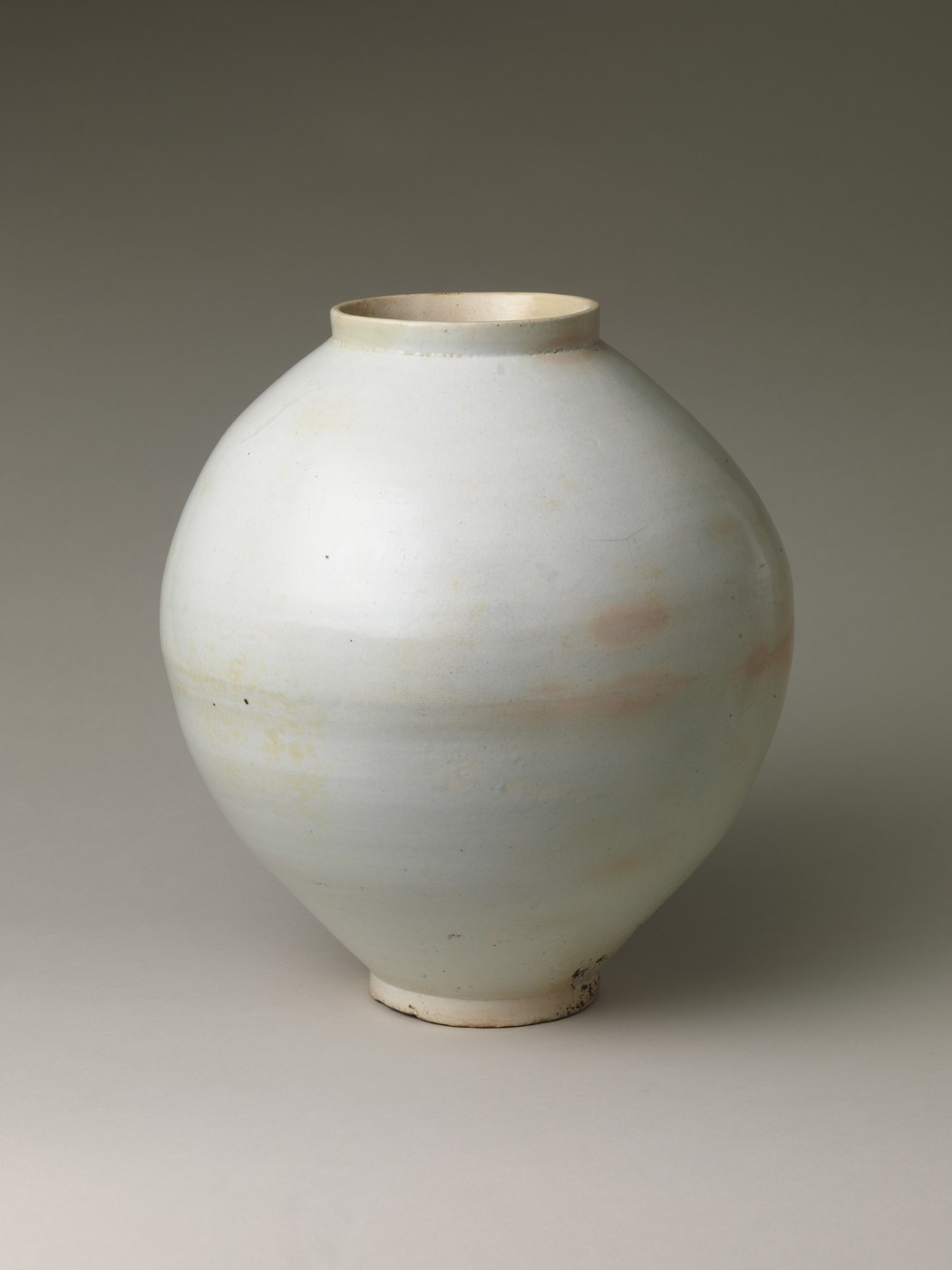 Craft Gallery — Korea & the World · 조선 후기Moon jarUnknown (Joseon dynasty, Korea) · second half 18th centuryView work →
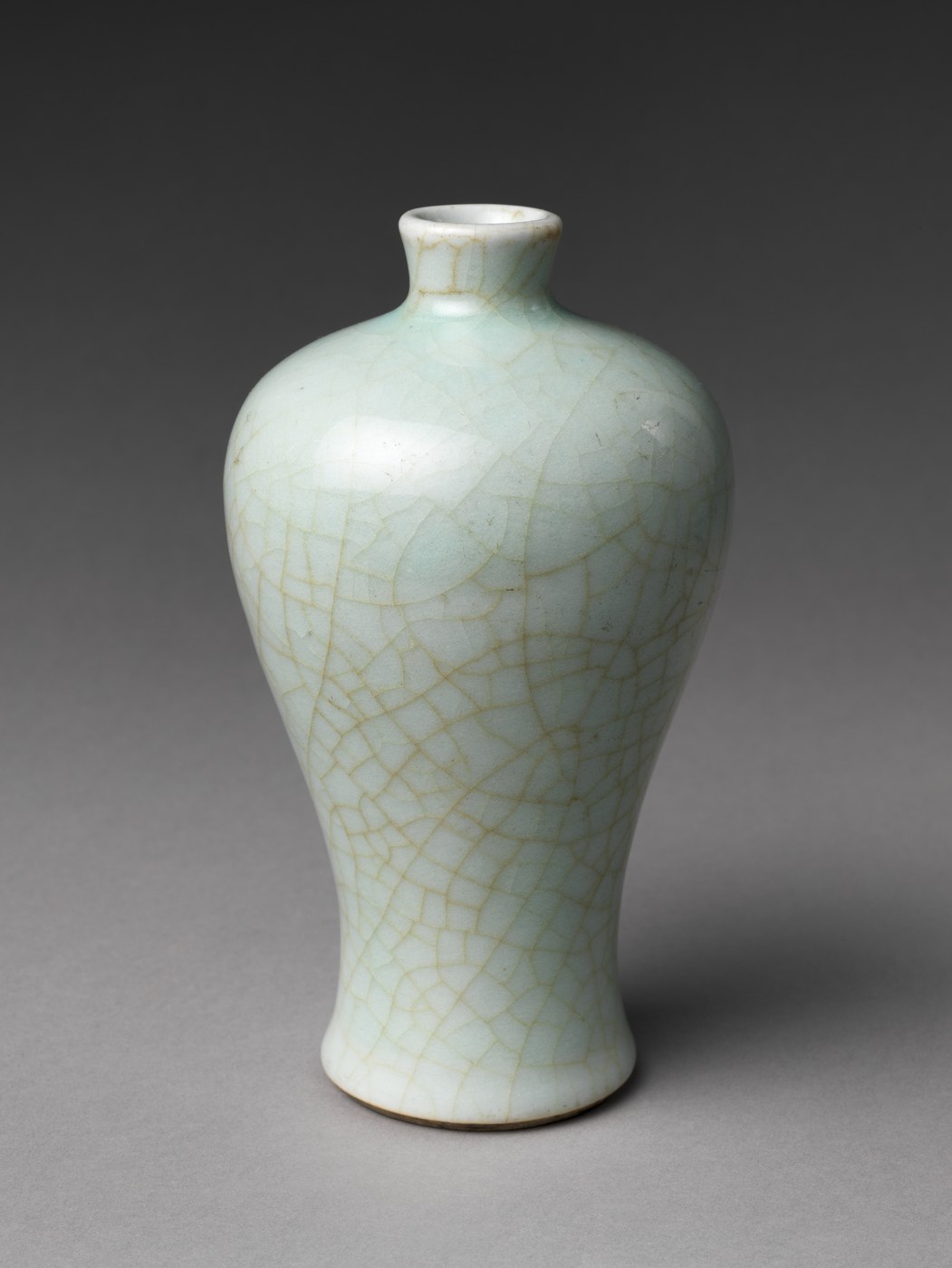 Craft Gallery — Korea & the World · 18세기 중국Vase in Meiping ShapeUnknown (China) · 18th centuryView work →
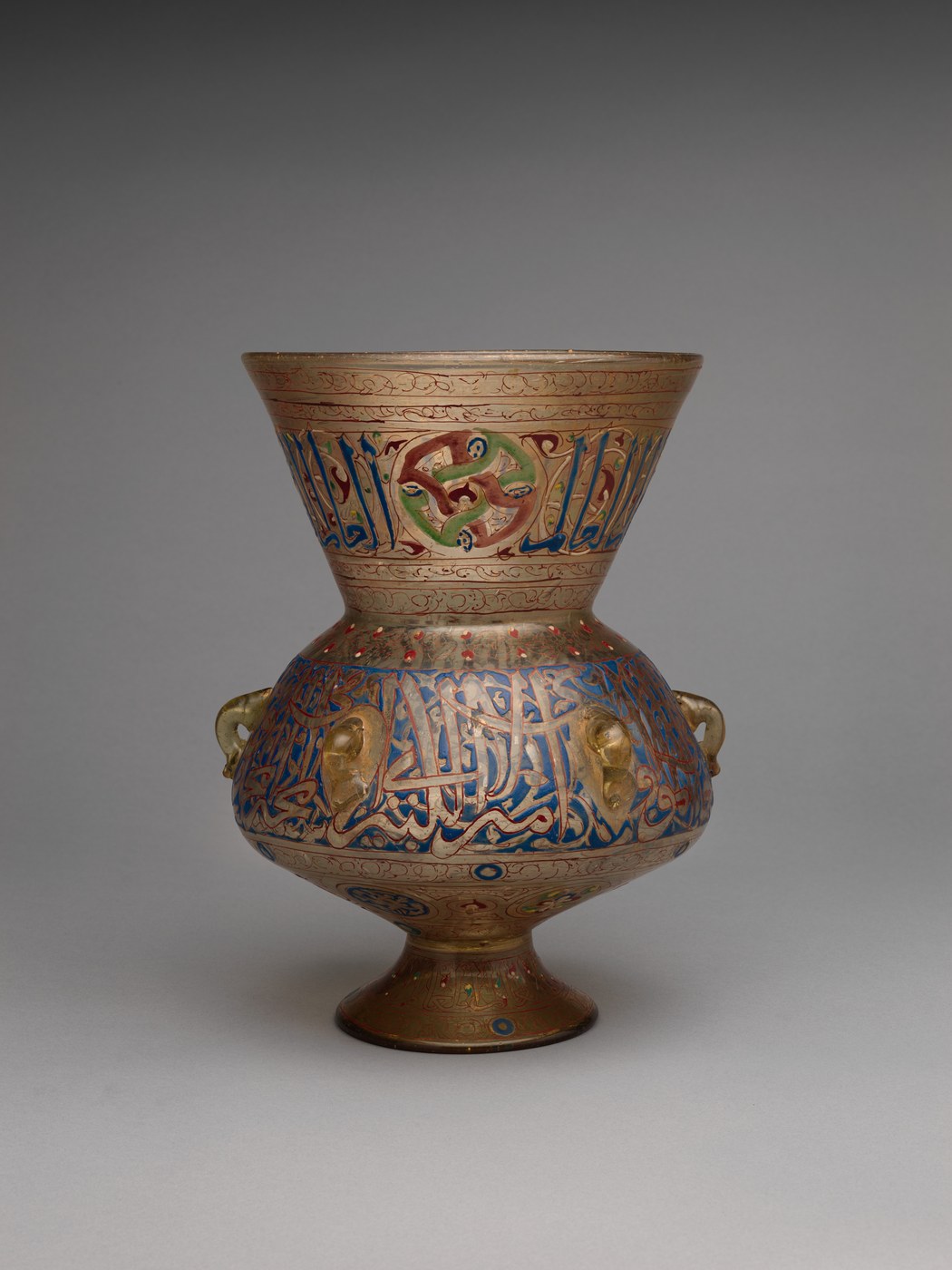 Craft Gallery — Korea & the World · 14세기 이슬람 세계Mosque LampUnknown (Egypt (Cairo) or Syria) · 14th centuryView work →
Maebyeong (plum bottle) decorated with cranes and clouds
청자 상감운학문 매병 · Unknown (Goryeo dynasty, Korea) · second half 12th century
| Artist | Unknown (Goryeo dynasty, Korea) (미상 (고려)) |
|---|---|
| Period | second half 12th century |
| Country / culture | Korea (Goryeo dynasty) |
| Medium | Stoneware with inlaid decoration under celadon glaze |
| Museum | The Metropolitan Museum of Art, New York |
| License | CC0 1.0 (Met Open Access, isPublicDomain=true) |
About this work
This Goryeo maebyeong bottle (second half of the 12th century) carries cranes and clouds inlaid in white and dark slip beneath a celadon glaze — the inlay technique, not surface painting, creates its pattern.
The full Korean essay is available in the Korean version; this English page provides a concise guide rather than a full translation.
Points to look for
- Imagine turning the bottle and watch the cranes change direction.
- See how white pattern and celadon ground set each other off.
- Notice how the wide shoulder and small mouth create stability.
Questions
- 학과 구름 문양에는 어떤 바람이 담겨 있을까요?
- 문양을 그리는 대신 파서 메우는 방식을 택한 이유는 무엇일까요?
- 오늘날 병 디자인과 비교하면 형태의 쓰임이 어떻게 다른가요?
Rights & source
Maebyeong bottle with cranes and clouds, Korea, Goryeo dynasty (12th century). The Metropolitan Museum of Art, Open Access (CC0).
CC0 1.0 (Met Open Access, isPublicDomain=true) · Met object 42301
View source page →Related works
Craft Gallery — Korea & the World · 조선 후기Moon jarUnknown (Joseon dynasty, Korea) · second half 18th centuryView work →Craft Gallery — Korea & the World · 18세기 중국Vase in Meiping ShapeUnknown (China) · 18th centuryView work →Craft Gallery — Korea & the World · 14세기 이슬람 세계Mosque LampUnknown (Egypt (Cairo) or Syria) · 14th centuryView work →