← Gallery
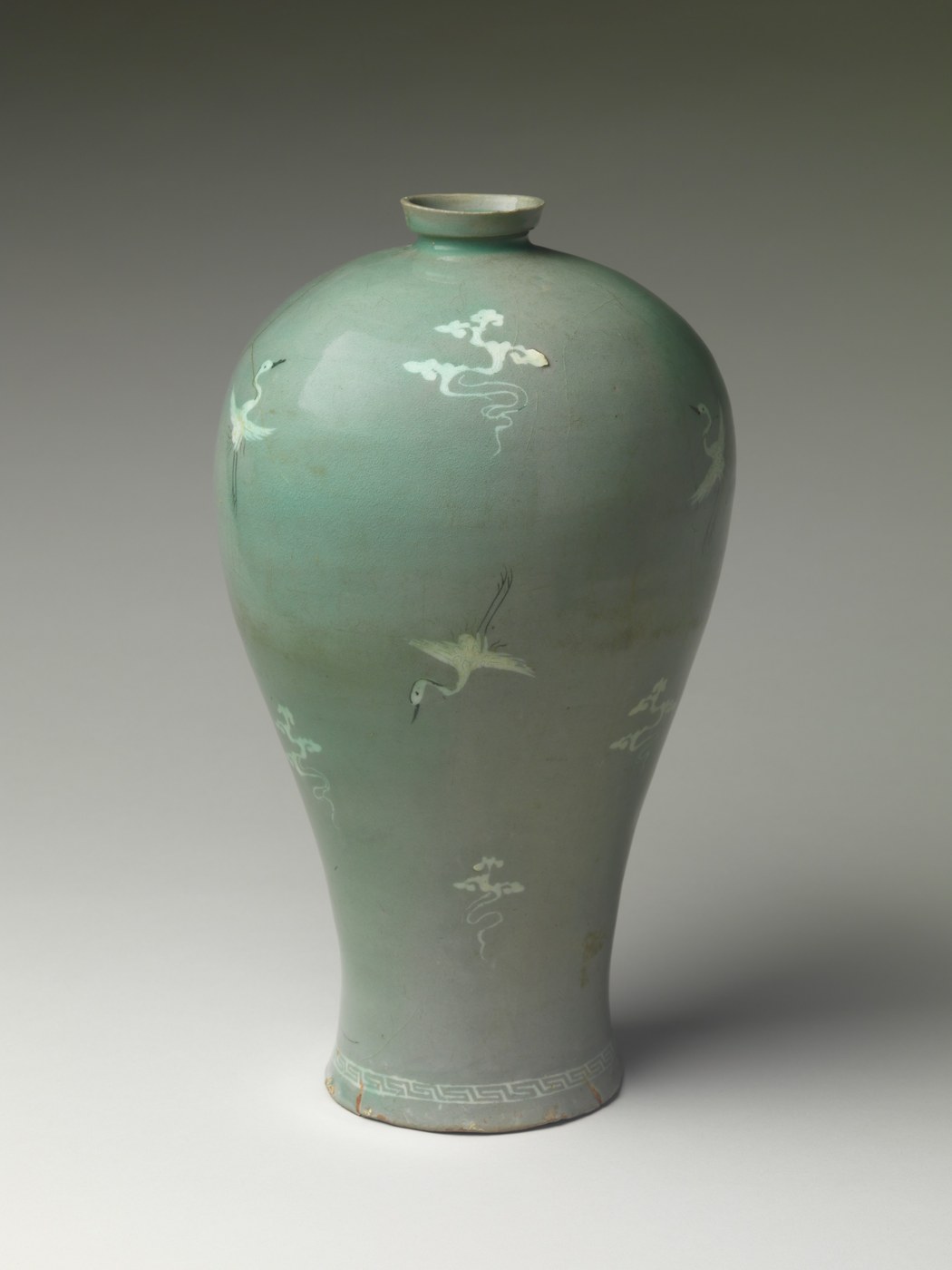 Craft Gallery — Korea & the World · 고려Maebyeong (plum bottle) decorated with cranes and cloudsUnknown (Goryeo dynasty, Korea) · second half 12th centuryView work →
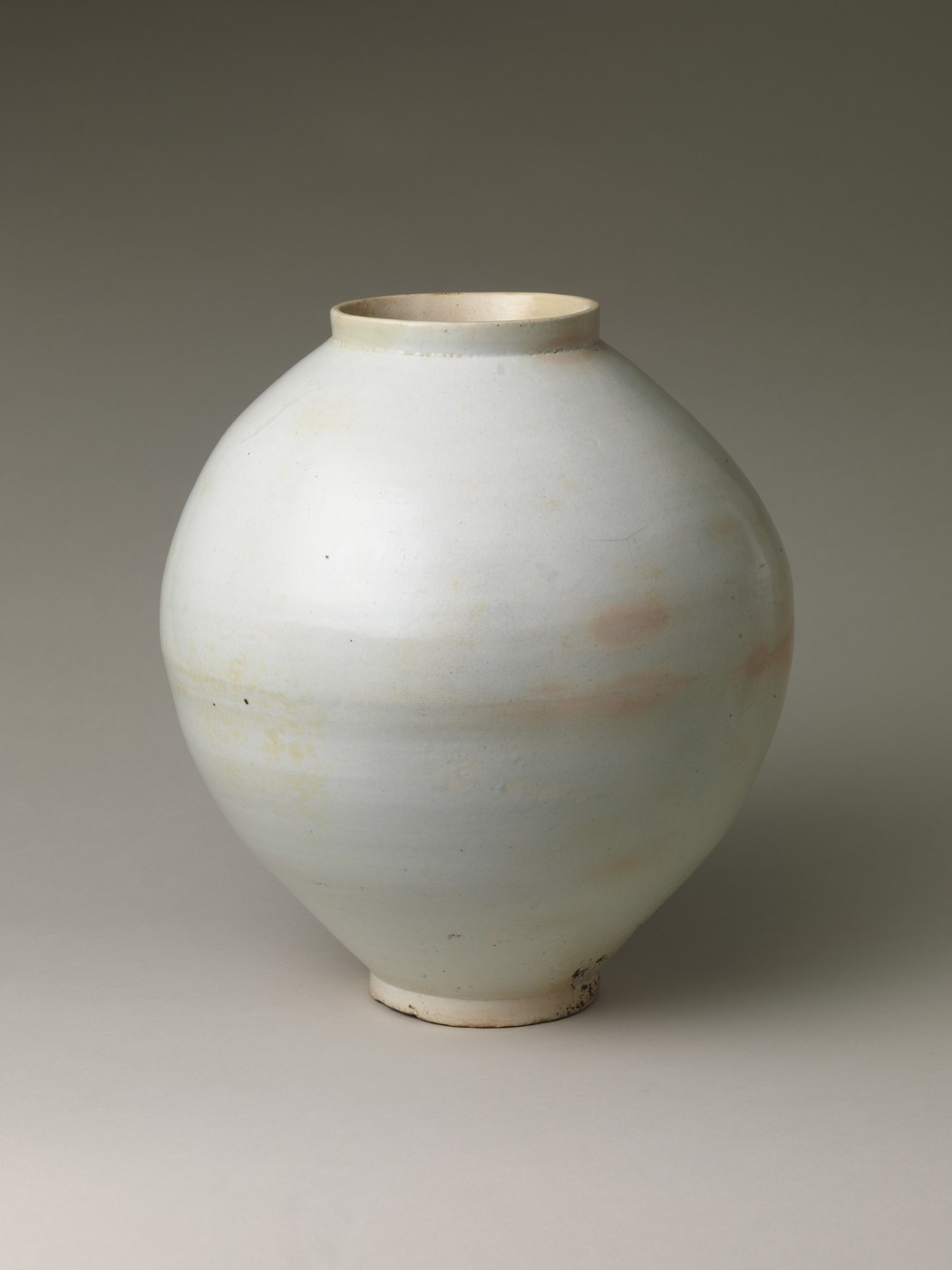 Craft Gallery — Korea & the World · 조선 후기Moon jarUnknown (Joseon dynasty, Korea) · second half 18th centuryView work →
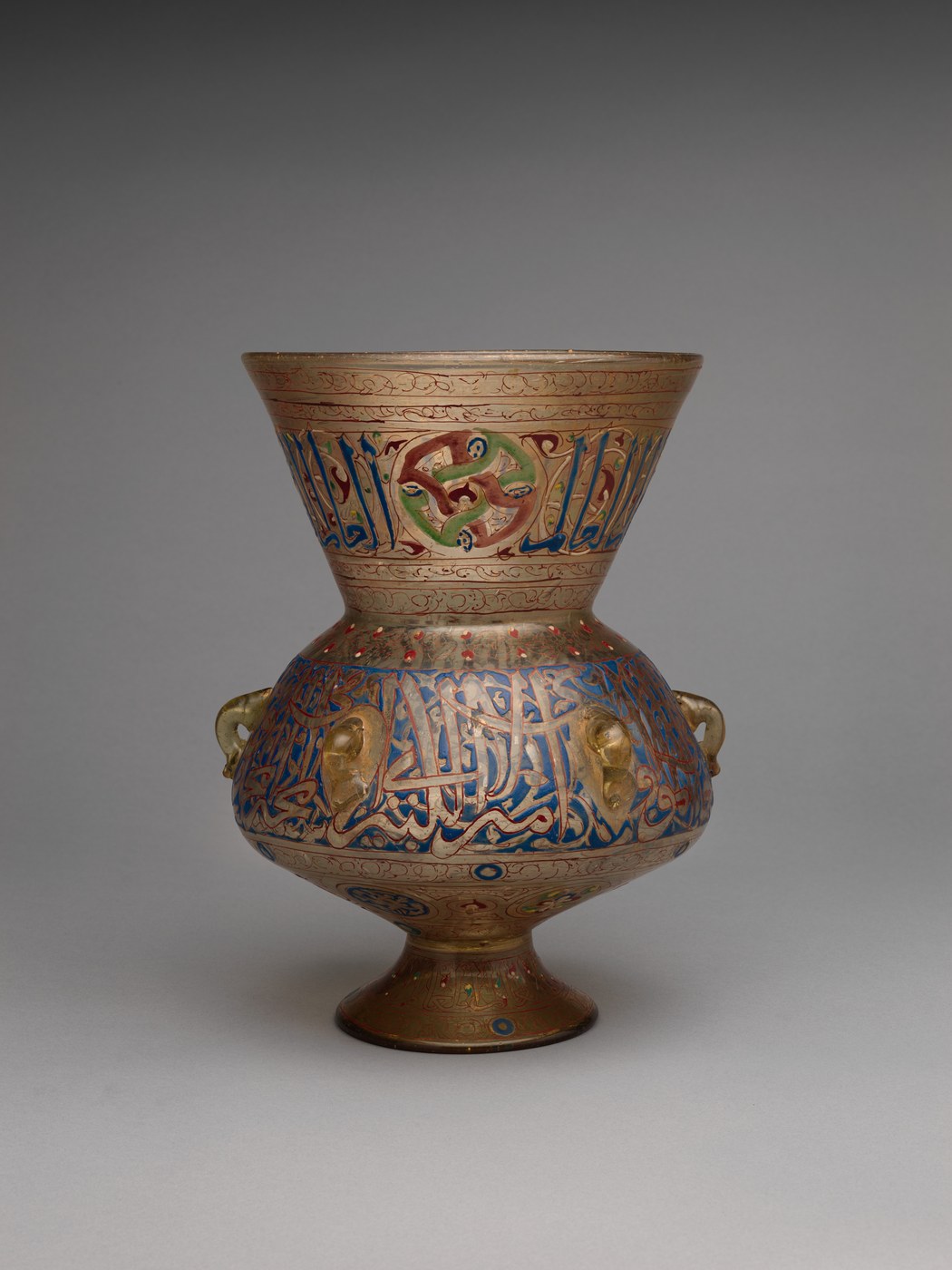 Craft Gallery — Korea & the World · 14세기 이슬람 세계Mosque LampUnknown (Egypt (Cairo) or Syria) · 14th centuryView work →
Vase in Meiping Shape
매병형 청자 화병 · Unknown (China) · 18th century
| Artist | Unknown (China) (미상 (중국)) |
|---|---|
| Period | 18th century |
| Country / culture | China |
| Medium | Porcelain with celadon glaze (Jingdezhen ware) |
| Museum | The Metropolitan Museum of Art, New York |
| License | CC0 1.0 (Met Open Access, isPublicDomain=true) |
About this work
This 18th-century Chinese vase in meiping form, Jingdezhen ware with celadon glaze, relies on glaze colour and profile rather than decoration — a direct comparison with the inlaid Goryeo maebyeong in this gallery.
The full Korean essay is available in the Korean version; this English page provides a concise guide rather than a full translation.
Points to look for
- Watch the glaze change between lit and shaded curves.
- Trace the outline from narrow mouth to wide shoulder.
- Compare its plain glaze with the Goryeo bottle's inlaid cranes.
Questions
- 같은 매병 형태인데 고려 매병과 인상이 다른 이유는 무엇일까요?
- 유약의 색 하나만으로 완성도를 판단할 수 있을까요?
- 전통 형태를 오래 반복해서 만드는 것에는 어떤 의미가 있을까요?
Rights & source
Unknown (China), Vase in Meiping Shape (18th century). The Metropolitan Museum of Art, Open Access (CC0).
CC0 1.0 (Met Open Access, isPublicDomain=true) · Met object 42226
View source page →Related works
Craft Gallery — Korea & the World · 고려Maebyeong (plum bottle) decorated with cranes and cloudsUnknown (Goryeo dynasty, Korea) · second half 12th centuryView work →Craft Gallery — Korea & the World · 조선 후기Moon jarUnknown (Joseon dynasty, Korea) · second half 18th centuryView work →Craft Gallery — Korea & the World · 14세기 이슬람 세계Mosque LampUnknown (Egypt (Cairo) or Syria) · 14th centuryView work →